Auteur de l’article
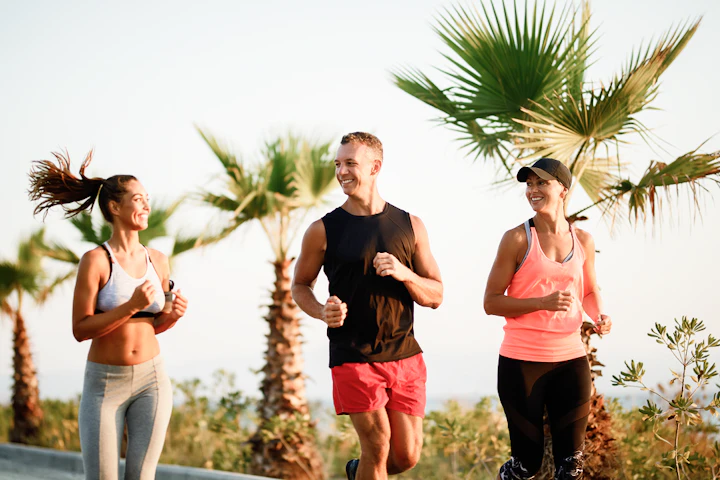
Running 5 kilometers is often the first major milestone in a female or male runner's journey. Accessible but not so trivial, this distance requires consistency… and a bit of strategy. Whether you are a beginner or aiming for a time, here is everything you need to know to run 5 kilometers.
Learning to run 5 kilometers when starting running
The 5-kilometer mark is often a symbolic goal for beginners in running. Reaching this distance marks a real turning point in progress, aiming for a first competition or simply the pleasure of pushing yourself.
🐢 Alternate walking and running to start
No need to rush: the important thing at the beginning is to progress gently. To get your body used to effort, it's better to start by alternating fast walking and slow running. For example, you can run for one minute then walk for one to two minutes and repeat this training cycle for 20 to 30 minutes.
This approach allows you to strengthen your cardiorespiratory system without risk of injury or exhaustion. Over the sessions, you will be able to reduce walking times until you manage to run 5 kilometers non-stop, without suffering (or almost).
🏁 What is the average time to run 5 kilometers?
Better not to trust your neighbor's time! To run 5 kilometers, you first need to learn to know yourself. A MAS (Maximal aerobic speed) test can help you estimate your level and define a suitable pace.
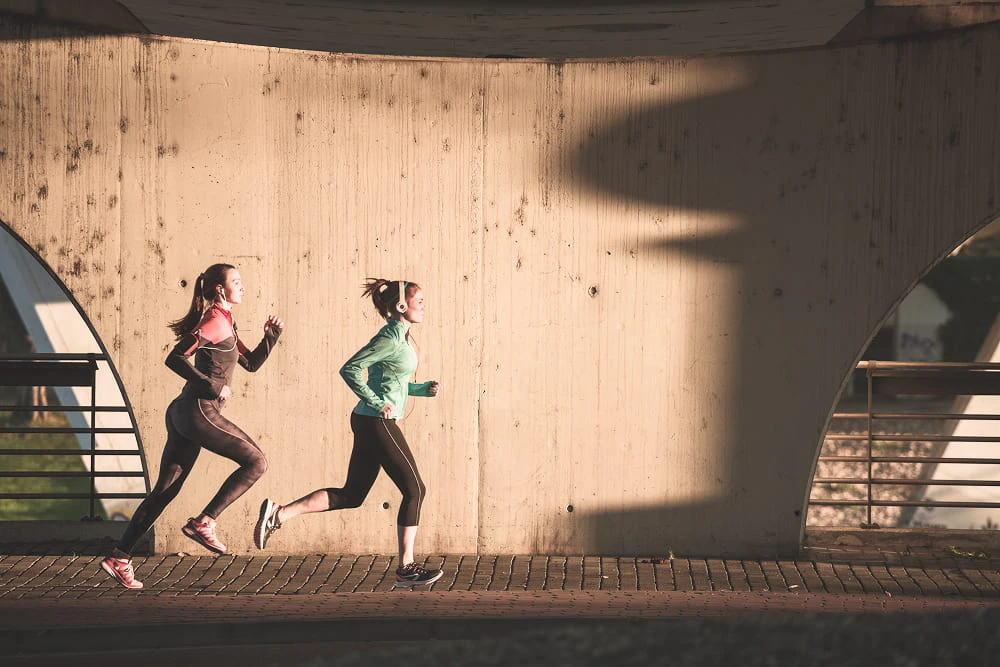
You can do it on your own, with a sports coach, or get guidance via Campus. A well-chosen 5-kilometer pace, neither too slow nor too fast, will allow you to sustain it without going into the red zone. A beginner usually takes between 30 and 40 minutes to run 5 kilometers. An intermediate runner can aim for 25 to 30 minutes.
Experienced runners often run under 25 minutes, even below with training.
No pressure, every time is an achievement and the essential thing remains your personal progress. Especially since the relationship with effort over this distance will evolve along with your progress. If the initial goal will be to finish your run without suffering too much, the more you progress, the more you will have to play on the edge. The 5 kilometers is a very intense distance for experienced runners. "Not faster than flat out", that's more or less the motto.
🧩 Goal 5K: take the challenge kilometer by kilometer
On the day you start your very first 5 kilometers, adopt a simple mental strength strategy: think of the race kilometer by kilometer. This allows you to break the effort into accessible stages, less intimidating than a block of 5 kilometers non-stop.
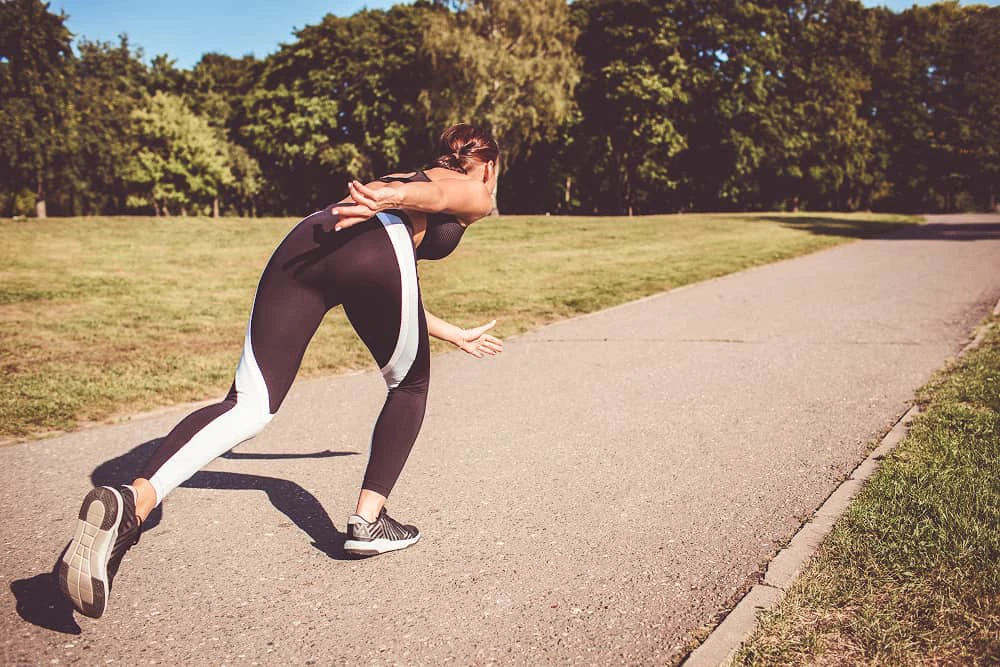
Always start with a good warm-up: 5 to 10 minutes of very slow running, some dynamic movements (butt kicks, high knees…) and a bit of joint mobility. During the run, stay focused on your pace, breathe deeply, and celebrate each kilometer crossed as a victory.
What training plan to improve your time over this distance?
Once you are comfortable with the distance, you can aim to progress: gain speed, improve your breathing, boost your endurance. The goal? To feel increasingly fluid and efficient over these 5 kilometers.
🏃♂️ Include a weekly interval training workout to develop your speed
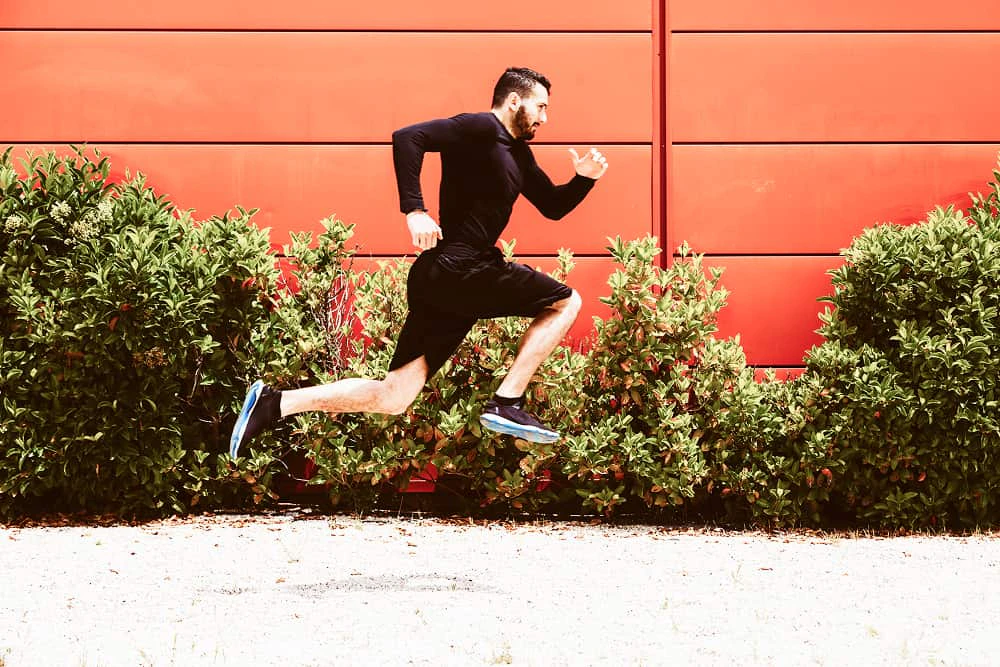
Interval training is the secret weapon to run faster. It involves alternating phases of fast running with periods of active recovery. As part of preparation for a 5 kilometers with a goal time, you will have to focus on speed work. MAS workouts and strength endurance workouts will be your best allies!
You will then work at your 30' Threshold pace before starting a 5-kilometer specific pace phase. For some, it will be very close to the first one.
In any case, if you want to perform over 5 kilometers, you will need to work on the mental strength aspect and pain tolerance during your intervals. Indeed, it is a particularly intense distance. You can follow a Campus training plan to be well supported in your goal.
Of course, all this should be put into perspective if you are starting or not aiming to optimize your performance.
📈 Increase training volume to work on your endurance
Did you know? Running 5 kilometers is roughly equivalent to cycling 20 kilometers at a moderate pace. So it remains an endurance effort, even if the distance seems short on paper.
If you want to run it more easily, you must get your body used to sustaining prolonged effort. Gradually increasing your weekly volume (duration or distance) will improve your aerobic system and strengthen your postural muscles.
Of course, these are not marathon training jog times! Start by adding 5 to 10 minutes to your long run each week or slightly extend one of your runs (for example, from 30 to 40 minutes). Your heart, your legs, and your mental strength will thank you!
🔄 Care for progressiveness and recovery for long-term performance
Running more doesn't mean running carelessly. To avoid injuries and fatigue that can hinder your progress, adopt a gentle approach when starting: increase your volume or intensity by about 10% per week maximum.
Also grant yourself rest days, and consider including active recovery workouts (yoga, walking, easy cycling, etc.) to allow your body to regenerate. Because don't forget, it is during recovery that you become stronger!
Everything you need to know to perform over 5 kilometers
Are you aiming for a time, an official competition, or a place on the podium of a local race? Here are some useful benchmarks to shine over 5 kilometers.
🎯 Our best tips to master this distance in competition
A 5 kilometers can be run on road, on track, or even in nature. On track, the environment is more controlled, which can help you go fast. This is then called the 5,000 meters.
On the road, routes are often more varied but can present some traps (relief, curves, surface). Whatever the terrain, follow the guide: warm up seriously before the start, visualize the race, and remember to hydrate well. Also regularly check that you maintain your target pace to avoid unpleasant surprises.
🗓️ The calendar of official 5 kilometers races with flat courses
Want to test your progress or compete with other runners? Here are some official races known for their fast courses and accessibility:
Paris Center 5 km: in October, a flat, urban, and popular course
Run In Lyon 5 km: also in October, a race ideal for a first official time
Corrida de Houilles: a renowned race held in Yvelines, with a favored 5 km version
Meeting de Saint-Maur (track): for lovers of pure time trials, on tartan track.
Also check locally, some races offer a 5-kilometer format in their plan.
🏆 Current 5 kilometers records in France, Europe, and the world
To dream a little and get inspired by the best, take a look at the official 5 kilometers road records!
🚀 Road 5 Kilometres Records
| Record Type | World | Europe | France |
|---|---|---|---|
Male Records | 12 minutes 49 | 12 minutes 57 | 12 minutes 57 |
Female Records | 13 minutes 54 | 14 minutes 39 | 14 minutes 46 |
These impressive performances show that it is possible to push your limits over this short distance. So ready to take on your personal challenge?
Whatever your motivation, running 5 kilometers is a beautiful, accessible, and rewarding adventure. Preparing for a 5k run gives you a clear goal and something exciting to work toward. With appropriate training and some consistency, you will quickly notice your progress, building confidence as race day approaches. And when you finally cross the finish lines, every stride will feel even more rewarding, making the entire journey worthwhile. 🏃♂️✨

Lou
Publié le , mis à jour le
Lou is a free and curious spirit, passionate about natural health, writing, and of course, running. She runs on the paths of the South of France as much as she explores those of well-being, always in search of a balance between the right words, a healthy lifestyle, and always... running in the background.
partager