
Auteur de l’article
Heel pain is a highly feared ailment among runners. This heel pain after running should never be neglected: if poorly managed, it can worsen and force you to interrupt your training. In this article, we review the main causes, symptoms, and treatment options to help you identify your problem. Understanding your pain is the first step towards better prevention and a sustainable recovery.
Why do I have heel pain when I run?
In running, it is estimated that nearly 80% of injuries are related to poor management of training load: too fast, too hard, too long. Prevention therefore relies primarily on thoughtful planning. A structured, progressive plan in volume and intensity remains the best guarantee against heel pain after running.
But other causes also promote the occurrence of heel pain:
a change of running shoes;
lack of sleep;
inadequate nutrition;
personal and professional stress;
certain medications such as fluoroquinolones.

What are the main pathologies that cause heel pain after running?
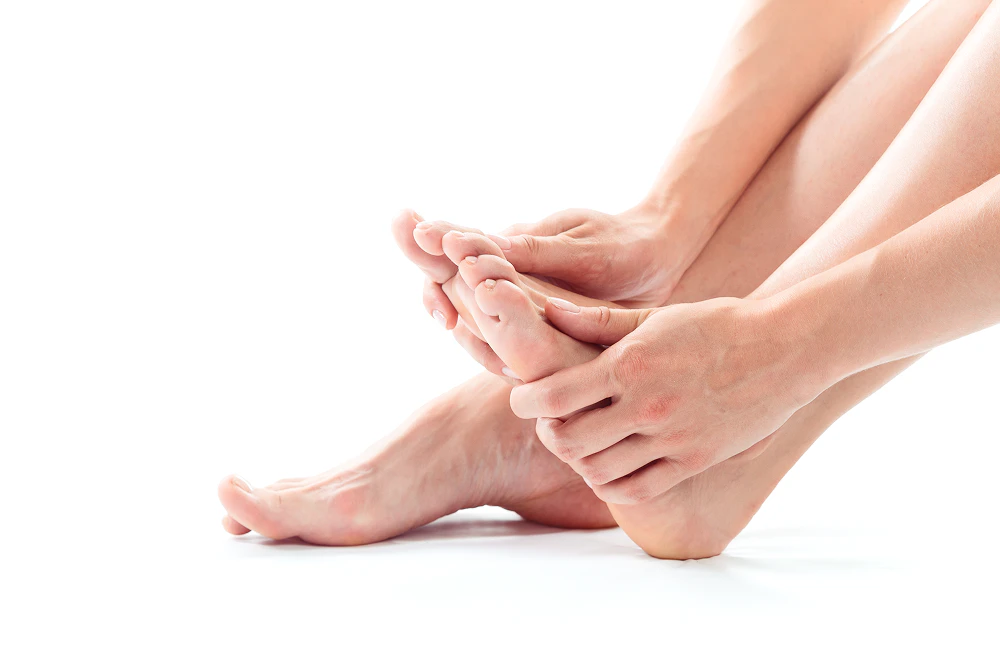
We distinguish two main locations of heel pain: pains under the heel and those located at the back, at the level of the Achilles tendon.
😬 Pain at the back of the heel
The symptoms at the back of the heel may suggest several pathologies.
<0>Achilles Tendinopathy: pain a few centimeters above the heel, morning stiffness, discomfort during speed workouts or jumps.
Achilles Tendon Enthesopathy: pain localized at the bone insertion, more resistant because the area is poorly vascularized.
Retro-Achilles Bursitis: pain triggered by lateral pressure around the tendon.
Sever's disease: a growth pathology in the athletic adolescent, linked to excessive constraints.
In some rare cases, you must also think about the tarsal tunnel syndrome, which can mimic a heel pain by radiating towards the heel.
🧐 Pain under the heel
Under the heel, two pathologies dominate:
Plantar Fasciitis (or plantar aponeurosis): pain in front and inside of the heel, especially upon waking or after rest. Unipodal jumps and heel striking in running often worsen symptoms. It is the most frequent cause of chronic heel pain. In some cases, a heel spur may be visible on imaging, but it is not always correlated with the pain.
Fat Pad Syndrome: pain focused under the heel, favored by direct trauma or overuse (running volume, running barefoot).
⚡ Other causes of heel pain after running
Certain heel pains stem from rarer conditions:
stress fracture of the calcaneus;
Biomechanical issues (excessive pronation, marked supination, overly marked heel strike, midfoot propulsion defect);
nerve conditions (Baxter's syndrome, truncated sciatica);
vascular disorders such as compartment syndrome.
Treatment of heel pain
The treatment always depends on the cause, but some common principles exist for any heel pain:
management of the training load: the pain must remain below 3 out of 10 and disappear 30 minutes after effort, without worsening the next day;
gradual return, with alternating running/walking;
adaptation of running shoes (drop of 8 to 12 millimeters, thick and rigid sole);
possible use of heel orthoses or podological insoles;
work on specific exercises: gentle stretches of the calf and the plantar arch, strength & conditioning of the intrinsic muscles of the foot and calf.
For certain inflammatory pathologies (bursitis and tenosynovitis), relative rest is recommended with addition of ice, anti-inflammatories, or even taping. In case of resistance to treatment, the doctor may propose techniques like shock waves or an exploration by imaging.
Prevention of heel pain
The best prevention remains listening to your sensations and adjusting your training plan. Some practical advice:
alternate the intensities and vary the running surfaces.
ensure your recovery (sleep, nutrition, stress management).
work on your Running form: limit heavy heel strike, increase your cadence, without necessarily correcting excessive pronation or supination.
regularly incorporate workouts of foot exercises: stretching, proprioception, strength & conditioning.
Heel pain should never be ignored. Whether it stems from plantar fasciitis, irritation of the Achilles tendon, or excessive stress on the heel bone, it often reflects an imbalance between the demands of running and your body's ability to adapt. Understanding the common causes of heel pain, recognizing symptoms such as pain after running or persistent pain in your heels, and choosing the right treatment are essential for a safe return to running. Your plantar fascia, calf muscle, and surrounding soft tissue all play a role in absorbing the impact of each stride. Wearing suitable running shoes, considering arch support if you have flat feet or high arches, and incorporating cross training into your routine can help reduce excessive stress on your feet. Depending on the underlying cause, recovery may involve adjusting your training load, using ice packs for temporary relief, or considering anti-inflammatory treatment under medical guidance. By identifying the cause of your heel pain early and adopting an effective prevention strategy, you can reduce the risk of recurring symptoms, prevent heel pain from becoming chronic, and get back to running with confidence.

Publié le , mis à jour le
My goal is to help you achieve your goals by guiding your rehabilitation in case of injuries or by helping you become more efficient.
partager