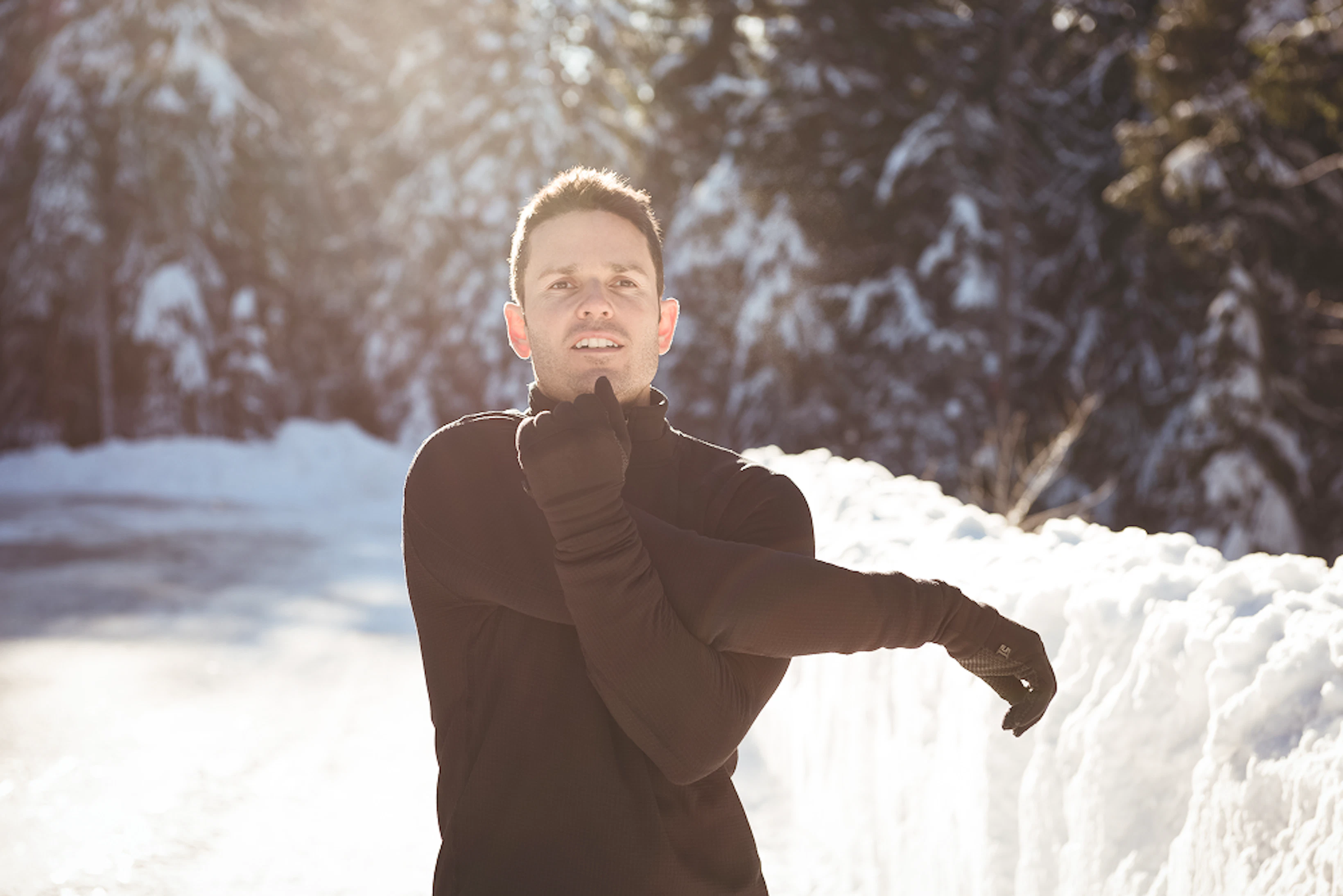



The Runner's Health
When temperatures drop, the motivation to put on your sneakers may waver. However, running in the winter offers unique sensations: fresh air, frosted landscapes, soothing silence… But be careful, running in cold weather requires some precautions to protect your body, health, and, at the same time, performance.
Find here all our tips for running safely, even when the thermometer shows a negative number.
Is it good to run when it's cold?
When temperatures drop, many hesitate: is it better to stay warm or go out to run despite the cold? Good news, winter is not necessarily a barrier to running, if you make sure to follow a few simple rules.
🧊 Exercising when it's cold has no contraindications…
Contrary to some misconceptions, there is no rule prohibiting running in winter. In theory, your body knows how to adapt to low temperatures: it increases heat production through metabolism, stimulates blood circulation, and activates muscles to maintain the body's temperature around 37 degrees. If the goal is weight loss, running in cold weather can even boost calorie expenditure, as the body has to fight the cold in addition to sustaining the effort.
♨️ … Provided you are well equipped
Nevertheless, you can give a lifesaving boost to your body with adequate equipment. Indeed, running in the cold without technical clothing increases the risks of injury, hypothermia, or simply discomfort. In harsher climatic conditions, good management of clothing layers, breathing, and warming up makes all the difference between an enjoyable outing and a painful experience. Recovery is also a key phase to allow the body to recover from the additional stress endured.

🌡️ Below what temperature is it inadvisable to run?
You got it: there is no universal threshold. Just take a look at Mathieu Blanchard on the Yukon Arctic Ultra 2025! But several sports federations advise to be extra cautious when the wind chill temperature drops below -10 degrees (wind included).
At this stage, the risk of frostbite, excessive vasoconstriction, and a decrease in cardiorespiratory performance increases. For beginners, it's better to stay cautious from -5 degrees onwards, especially if the air is humid. The key is to listen to your sensations: painful breathing, numb fingers, or persistent trembling are warning signals.
👉Note well: you always have the option to run on a treadmill in the gym, especially when it’s snowing.
What should you watch out for when you go running in the cold? Our advice
Before putting on your running shoes, remember that your body doesn't like sudden changes. In winter, it is therefore essential to anticipate.
🧤 The clothing guide based on temperatures
Your goal: stay comfortable without overheating. It's better to start your run with a slight feeling of coolness: after 5 minutes, you'll already be at temperature.
Some practical guidelines:
Never neglect the extremities: gloves, beanie or headband, warm socks. A large portion of body heat is lost through the head and hands. A neck gaiter or a buff can also protect your nose and limit the entry of cold air directly into the bronchi.
🫖 Recommendations on hydration and nutrition for running in the cold
Another point of caution: cold deceives the feeling of thirst. Result? We drink less, but dehydration is looming. However, the dry winter air promotes water loss through respiration. Drink regularly before and after exercise, and don't hesitate to take a small bottle of warm water or herbal tea if you're going out for a long time.
On the nutrition side, prioritize snacks that provide energy and warmth: a lightly sweetened hot drink, some dried fruits, or a bar rich in complex carbohydrates. The idea is to support your metabolism and compensate for the calories burned by the body to maintain its temperature.
👌 Running in the cold: more than ever, warming up is key
At low temperatures, muscles and tendons are less flexible and the risk of injury (tearing, strain) increases. As Paula Radcliffe reminds us in her Running Guide (Marabout Editions, 2012), a suitable warm-up in winter helps prepare the body and cardio for exertion, while reducing the risk of injury.
Before leaving, take 10 minutes to activate the machine : high knees, butt kicks, light Squats, jumping rope, or joint mobilization. Then, start at a slow pace before speeding up. In winter, warming up is your best ally.

A summary of the risks of running in winter
While running in winter brings energy and unique sensations, prolonged exposure to the cold is not without consequences. And it is important to know the risks to better prevent them.
❄️ What are you exposed to when you run in extreme cold?
The main risks are hypothermia, frostbite, and respiratory discomfort related to cold air which dries out the nasal and bronchial mucous membranes. Cold can also accentuate vasoconstriction, leading to an increase in blood pressure and increased cardiovascular fatigue. Finally, on snowy or icy surfaces, falls and sprains are more frequent.
🤕 What are the symptoms to recognize?
Stay attentive to your body's signals. In case of:
uncontrollable chills or persistent tremors
numbness of the fingers, toes, or nose (a precursor sign of frostbite)
unusual shortness of breath, wheezing or painful breathing (irritation from cold air)
sudden feeling of fatigue, confusion or decreased coordination (hypothermia alert)
It's better to stop your run, take shelter and warm up gradually.
Cold weather running can be enjoyable and rewarding as long as you adapt your habits to the conditions. When temperatures drop, wearing the right layers is essential: start with a breathable base layer or long sleeve shirt, then add a running jacket that is windproof or water resistant when needed. The goal is simple: stay warm without overheating once you start moving.
Before running in the winter, always check the actual temperature and the wind chill, especially in extremely cold conditions. Take extra time to warm up, choose running shoes with enough grip for wet, icy or snowy surfaces, and pay attention to how your body feels throughout your run. Hydration matters too. In cold temperatures, you may not feel thirsty, but your body still loses water through breathing and sweating. Drinking regularly before and after your session remains essential. Ultimately, the best tips for running in winter are to dress appropriately, warm up progressively, stay hydrated and listen to your body. With a few simple precautions, cold weather doesn’t have to stop your training — it can simply become another part of it.

Lou
Publié le , mis à jour le
partager