Running nutrition calculator
Tell us about your sport, your exercise duration, and your usual carbohydrate intake during exercise: we’ll quickly calculate the carbohydrate intake you need during exercise.

Tell us about your sport, your exercise duration, and your usual carbohydrate intake during exercise: we’ll quickly calculate the carbohydrate intake you need during exercise.
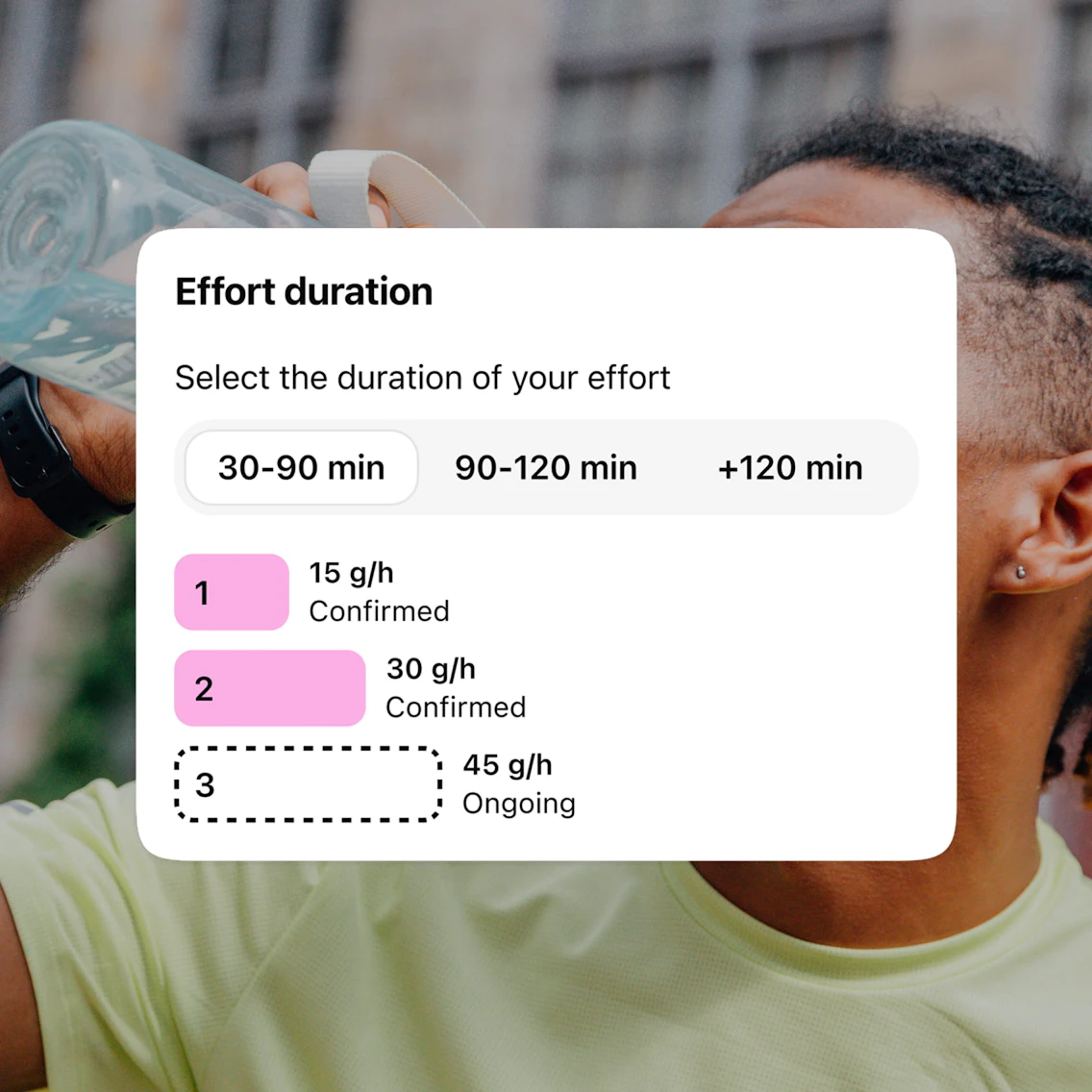
Do you want to build a nutrition plan tailored to your training and your race? The Campus nutrition calculator helps you plan your carbohydrate intake simply and estimate your energy expenditure according to your profile and your goal. This tool was designed to support you step by step in building your nutrition plan for a marathon, half-marathon, or trail — always respecting your progress and your well-being.
Specifically, you enter:
your sport
your exercise duration
your usual carbohydrate intake during exercise
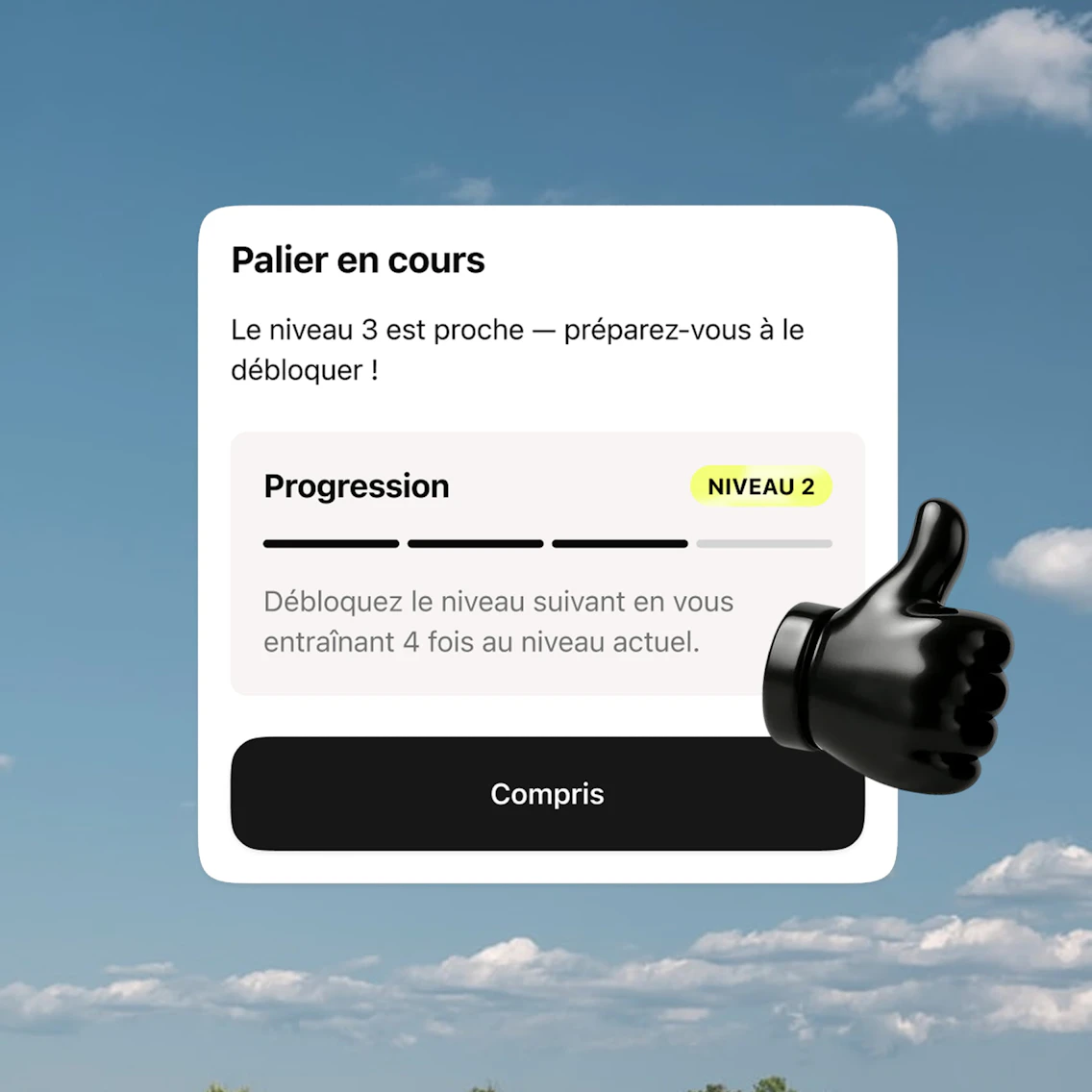
The Campus algorithm then suggests a progressive carbohydrate loading strategy, divided into two-week stages.
Nutrition is one of the pillars of running, and yet it is also one of the leading causes of failure in races lasting more than 1 hour 30 minutes to 2 hours of effort.
Indeed, during your race, your body uses glycogen and its reserves are not endless. You need to provide it with enough fueling to keep moving forward.
That way, you give yourself the best chance to:
Avoid energy crashes and the famous “wall”
Avoid stomach issues and intestinal issues during your races
Successfully increase your distances and running times more serenely
This can only be done with a nutrition plan. This is what is called Gut Training.
👉 Learn more about the perfect nutrition plan for your next marathon



The Gut Training aims to enable you to:
Optimize your hydration during your races
Be (finally) able to ingest the famous gels or bars in sufficient quantity on race day
Better assimilate carbohydrates during exercise
Thanks to Campus, the time has come to make peace with the one who may have become your worst enemy in running: your stomach.


Ludivine
Very well made, this application allows you to prepare any running or trail goal... It is easy to use, you can track your progress, coaches are always at your disposal if you have questions or doubts... I have already prepared for a marathon with Campus... They helped me reach my goal without difficulty and I am starting over right now. I recommend this running and trail application!
Erwan
Fifty years old, hasn't run for 25 years, out of shape... After completing the free 5K plan, I have been following the paid 10K plan for 1 month, and I can now run for 1 hour. Far beyond my hopes... Good plan, cozy environment for beginners, but apparently suitable for addicts too.
Marion
Exactly the platform I needed to start running! The plans are top-notch, progressive, and tailored to your level and according to your goal. Campus coach is not just a site offering training plans; it's a community and a constantly evolving treasure trove of information!
The Gut Training consists of training your digestive system — in other words, your intestines and stomach — to better assimilate water and carbohydrates during exercise.
With this training method, you will be able to:
Avoid performance slumps on your long races
Be capable of fueling yourself in sufficient quantity during your competitions
Increase the distances and durations of effort
To avoid digestive issues during your races, you must train to properly assimilate your fueling during your preparation in order to build a nutrition plan. Thanks to Gut Training, you learn progressively to better tolerate carbohydrate intake during exercise.
The rules to follow are clear:
Progression: you must increase the amount of carbohydrates in stages.
Consistency : don’t compare yourself to your neighbor because we don’t all start with the same tolerance at the outset. Every digestive system is different.
Personalization : your final goal must match your own abilities.
You need to include Gut Training in your race preparation and build a coherent nutrition plan. In practical terms, you need to apply a few key principles:
Adopt a carb-rich base diet
Gradually increase your carbohydrate intake during training, especially on long runs
Create discomfort by going for a run after a meal and/or by eating solid foods during your outings
You need to train your digestive system to assimilate the content of your nutrition plan during your preparation. Also, as your race approaches, you should:
Reduce fiber in your diet
Avoid fatty and spicy foods
Have tested all your fueling in training and have a real nutrition strategy
💡 On specific events such as the ultra-trails, you may need to prioritize pleasure over “reason” when it comes to your fueling. You also need to anticipate this and train to run while eating solid foods, but also sometimes foods that are a bit fatty and/or hard to digest.