Auteur de l’article
Running in the mountains is a unique experience. Between the wild beauty of the landscapes, the pure air of altitude, the climbs that test cardio and the downhills that hit the quadriceps, this discipline attracts more and more runners seeking adventure.
But to fully enjoy trail-running, it is essential to prepare well. Equipment, safety, effort management: training at altitude is not something to be improvised. Follow this guide to fully enjoy the peaks.
Why run in the mountains (at altitude)?
Whether you practice trail-running, skyrunning, or simply running on trails, altitude and elevation gain create a playground that is as demanding as it is rewarding.
🌄 Breathtaking landscapes, as close as possible to nature
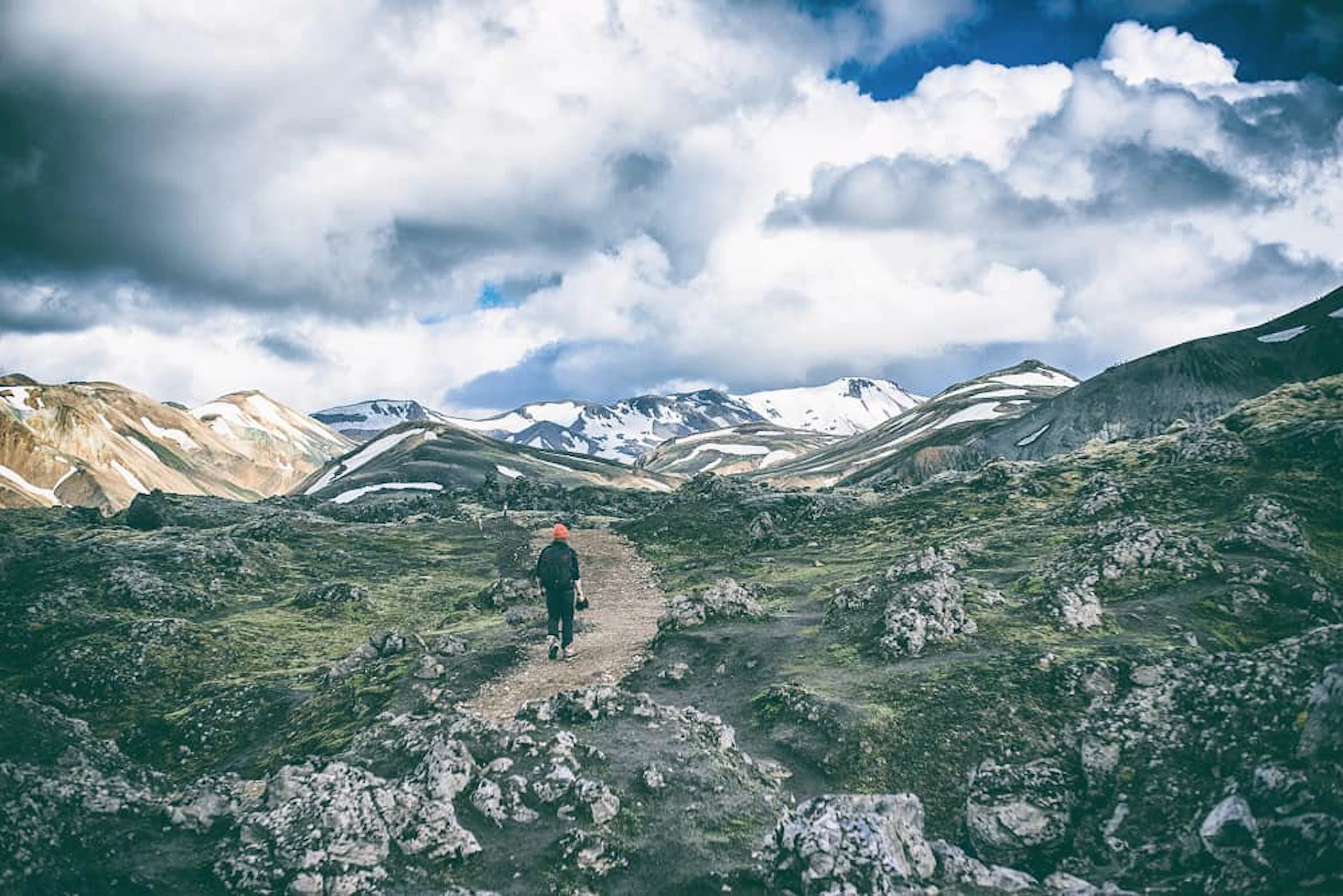
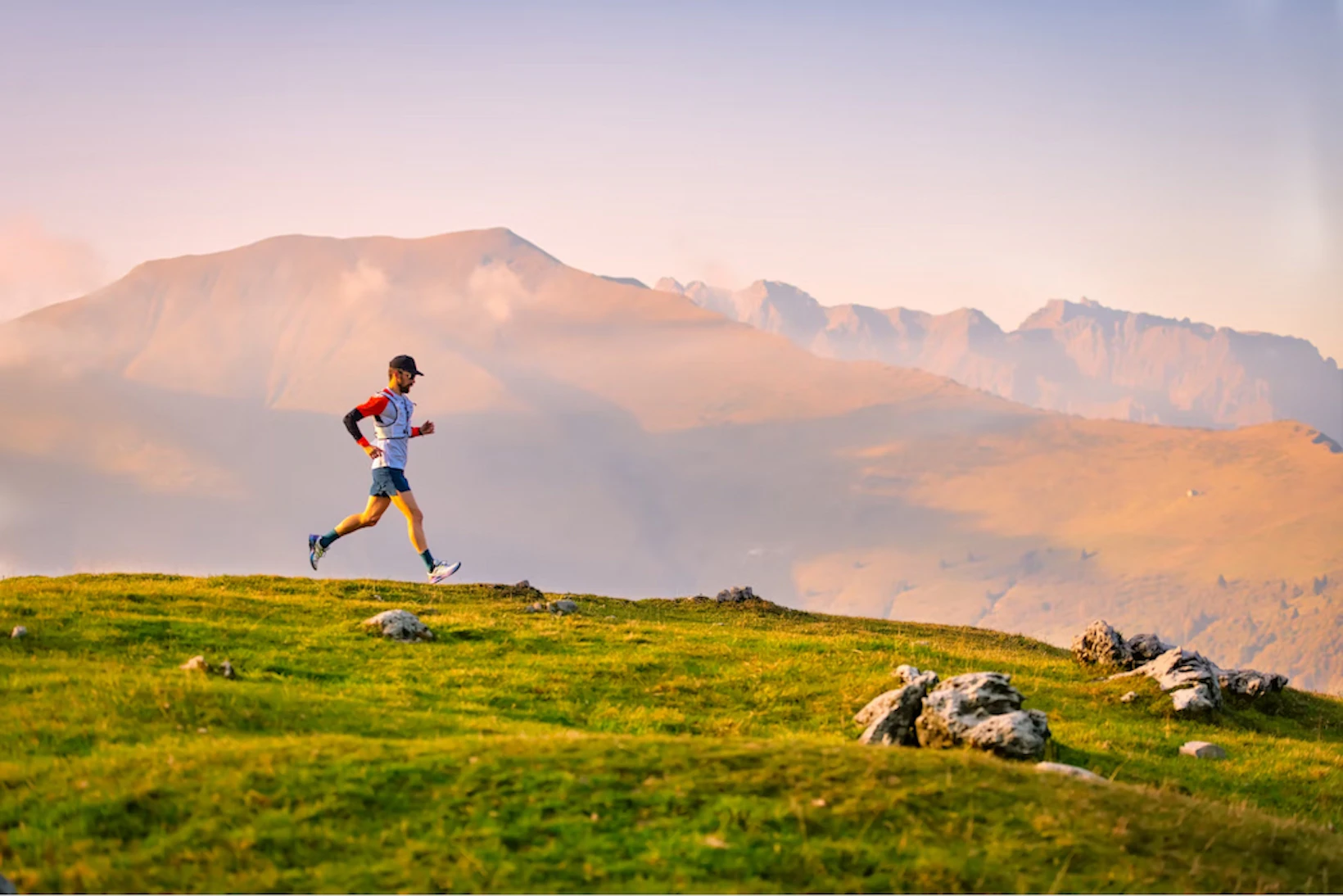
Hard to remain indifferent in the face of the raw beauty of the mountains. Running at altitude allows you to experience a suspended moment, far from asphalt and noise. You run in a magnificent setting, sometimes on trails used by major emblematic races.
🙏 This total immersion is like real food for the mental strength: you run at the pace of the elements, among wind, silence, and smells. The mountain becomes your adventure playground, a school of humility and freedom.
⛰️ Running in the mountains: hilly training
In running, the terrain changes everything. In the mountains, it's impossible to avoid elevation changes: each ascent, each downhill challenges your body differently. Your legs work powerfully, your cardio adapts, and your balance is getting stronger. It’s a comprehensive workout, perfect for developing endurance, coordination, and proprioception.
Even at a moderate pace, your effort can be intense, because the uneven terrain multiplies muscle micro-adaptations. Runners who try it often notice a clear improvement in their road performance… and a better mental strength in the face of difficulty.
🫁 A boost to the runner's physiology
Altitude acts as a catalyst. The air, with lower oxygen levels, stimulates red blood cell production, optimizes circulation, and improves the oxygen capacity of the muscles. This is called hypoxic adaptation, sought after by many endurance athletes.
⚠️ Warning: it takes time to adapt. In general, the body needs several days before benefiting from running at altitude, which is why Niko, aka Running Addict, recommends a progressive and varied plan. Without this progression, fatigue, shortness of breath, or a drop in performance can quickly rear their heads.
What are the risks to master before running in the mountains?
The mountain attracts as much as it demands respect. Before putting on your trail shoes, take the time to understand the environment you're entering.
🧭 The need to navigate well and ensure safety
One of the first risks in mountain running is disorientation. The trails may be poorly marked, weather conditions can change rapidly, and the network can suddenly disappear. Always carry a map, a compass, or a GPS, and share your route with a loved one. In competition, find out about official markings.
In terms of safety, equip yourself carefully: technical shoes with good grip, breathable textiles weather-appropriate, sufficient water reserves, a survival blanket, and a first aid kit. Some France Montagnes labeled stations offer tested and secure routes, an excellent option for beginners.
🌨️ A variety of terrains and demanding weather uncertainties
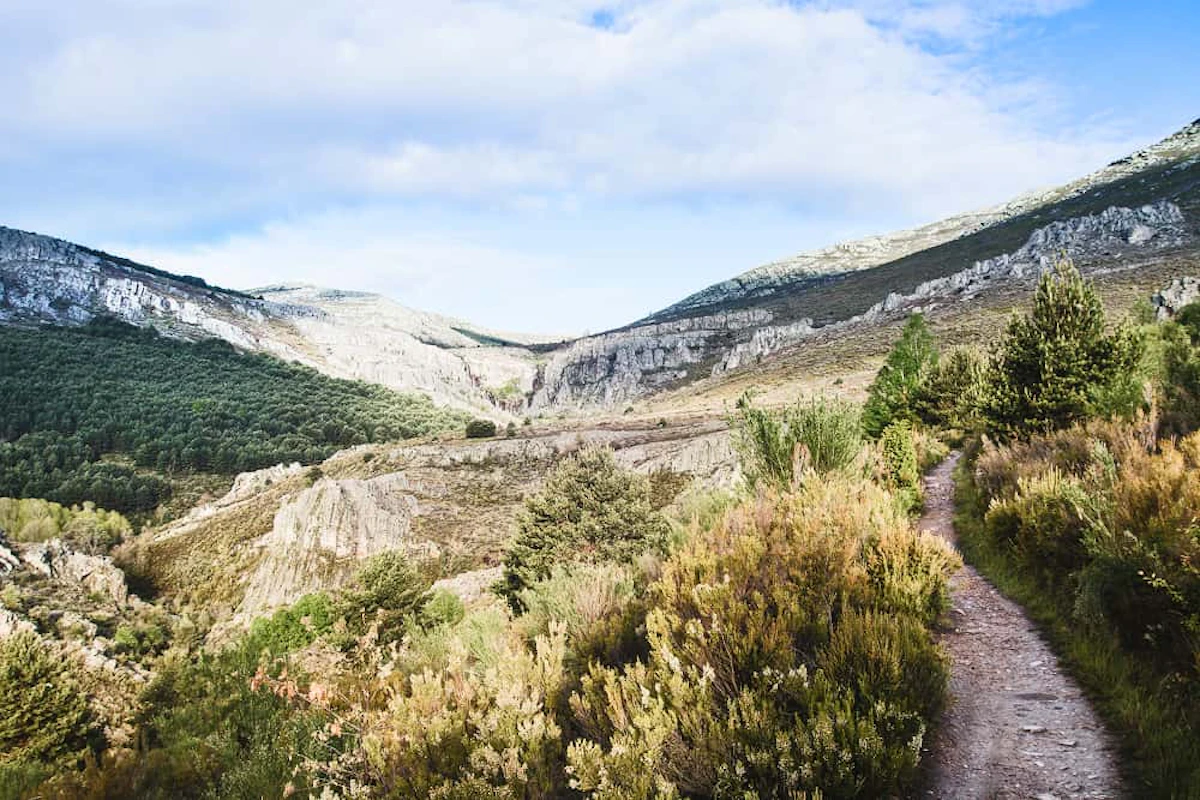
In the mountains, nothing is ever uniform: stones, roots, rockfalls, residual snow, or mud follow each other without warning. Each type of terrain tests your balance, and a bad step can quickly come at a high price.
In terms of weather, expect the unpredictable: sudden storms, fog, temperature drops. Always check the conditions before leaving and adjust your itinerary accordingly. Brands like Verjari or Wider Magazine also offer guides on technical equipment specifically designed for mountain running: breathable waterproof jackets, cold-resistant socks, or windproof gloves. A detail? Not at all: your comfort can make the difference between a great outing and a training session felt as a real hassle.
How to manage your effort during a mountain run?
Trail running at altitude requires a skillful blend of clarity, breath management, and technique. Find out more.
🧗♀️ Managing the ascents
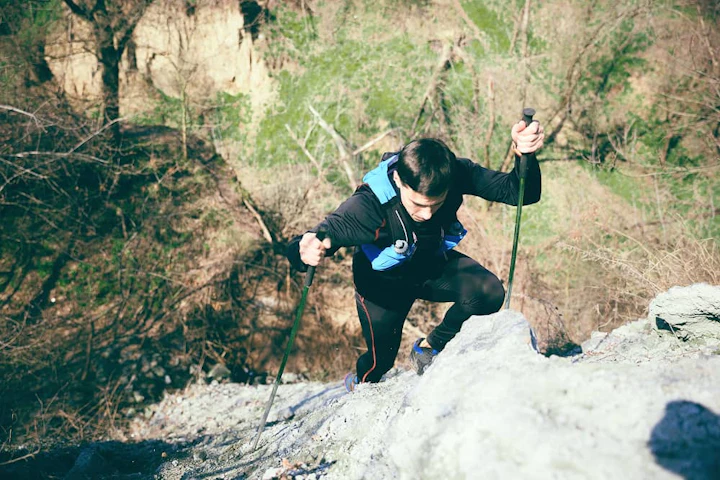
The ascent is often the deciding factor for the mountain runner. It intensely engages the heart, the glutes, and the calves. The classic mistake? Starting too fast. Preferably adopt a steady pace, focus on your breathing, and don't hesitate (at all) to walk when the slope becomes steep. Walking is vital; it allows you to conserve energy to better push forward later. Your cardio stabilizes, your breathing adapts, and your endurance is improved.
The pros of the vertical kilometer — like the Swiss Rémi Bonnet, the new world record holder in the discipline — can afford to run regardless of the slope degree. They have worked on this specific point and run over very short distances. Conversely, long trail or ultra-trail athletes will explain to you that beyond a certain slope percentage, brisk walking simply becomes more efficient than running.
🤕 Mastering downhills
At first glance, the downhill seems like a reward. In reality, it heavily engages the quadriceps and the tendons while requiring great concentration. Always look a few meters ahead to anticipate the terrain, keep your arms slightly spread for balance, and try not to lock your knees. A soft, controlled stride minimizes shocks and promotes better recovery.
Also think about strengthening your legs upstream with eccentric training or progressive downhill runs during training: an excellent way to prevent post-run soreness.
😮💨 Combine walking and running to run well in the mountains
When climbing, active walking allows you to maintain a constant effort while saving your breath. When descending, a few relaxed strides facilitate recovery. This alternation therefore improves the management of cardio and breathing while respecting the natural rhythm imposed by terrain variations.
Running in the mountains means exploring the outdoors but also revisiting your inner world. Between sensations, performance, and connection to nature, this practice pushes you to surpass yourself while cultivating humility. Each ascent builds mental strength, each downhill hones technique, each breath anchors you in the present moment. So, whether it's in the Alps, the Pyrenees, or the Massif Central, equip yourself, prepare yourself… and savor this dialogue, safely.

Lou
Publié le , mis à jour le
Lou is a free and curious spirit, passionate about natural health, writing, and of course, running. She runs on the paths of the South of France as much as she explores those of well-being, always in search of a balance between the right words, a healthy lifestyle, and always... running in the background.
partager