


Our training plans
Achieve your next goal
As a runner, whether beginner or experienced, you certainly have your own goals and motivations. For that reason, you deserve to have your own running training plan. With Campus, your training plan adapts to your aspirations and your daily life. To go further, we also support you with strength & conditioning and nutrition. No room for chance: only expertise and experience. So whatever your next challenge, we are there from the idea to the finish line and beyond.













A flexible plan tailored to your life
A methodology developed by expert coaches over the past five years. It's precise, intelligently tailored, and truly effective.
Training that listen to you
We tailor it to your current skill level, your background, and your goals. We don't try to make you fit into a mold; we start with who you are.
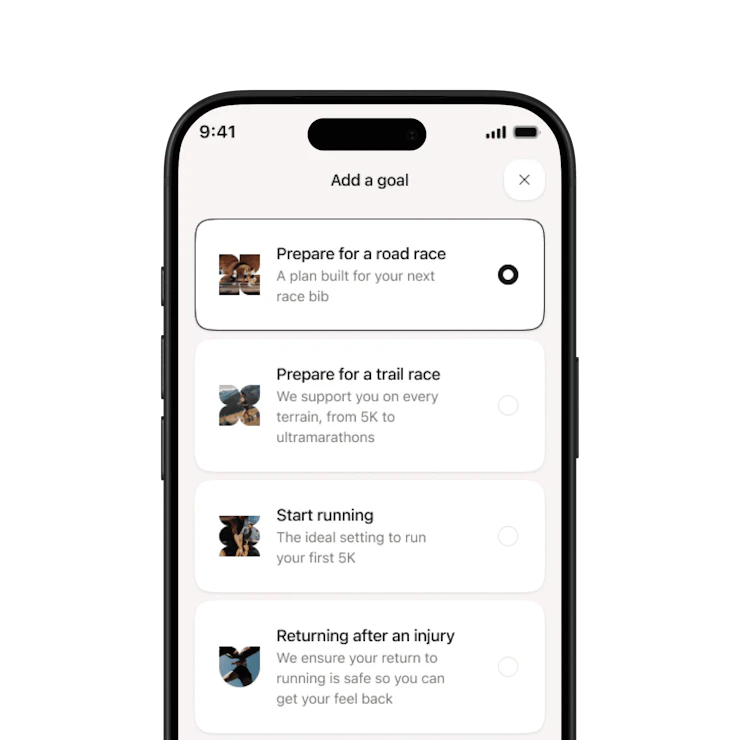
Dynamic and flexible
The workouts are tailored to your current fitness level. Something unexpected? The plan is recalculated so you can move forward without feeling guilty.
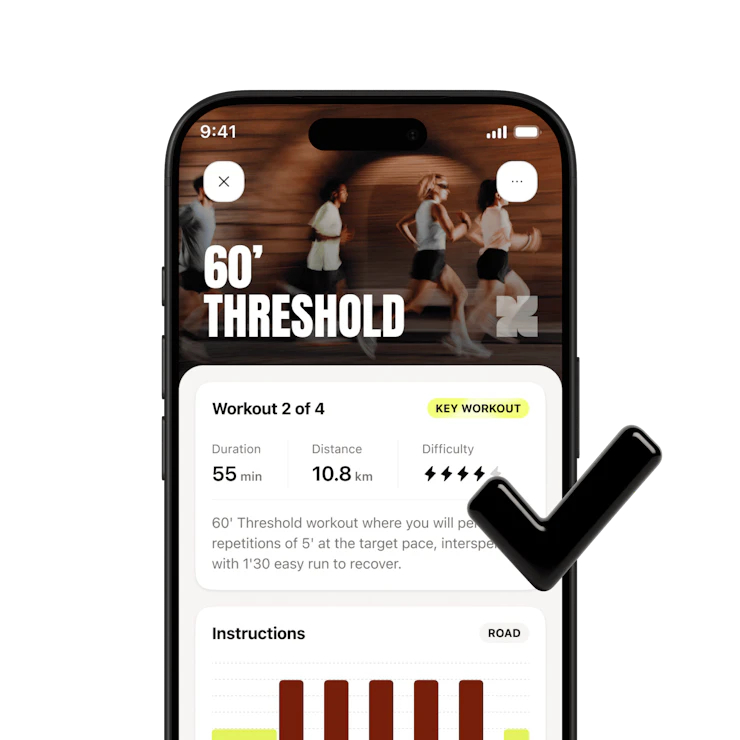

Count on a proven method
600,000 runners are already using Campus. A reliable method, refined through the analysis of 60 million kilometers run, to ensure your progress.

Become a well-rounded athlete
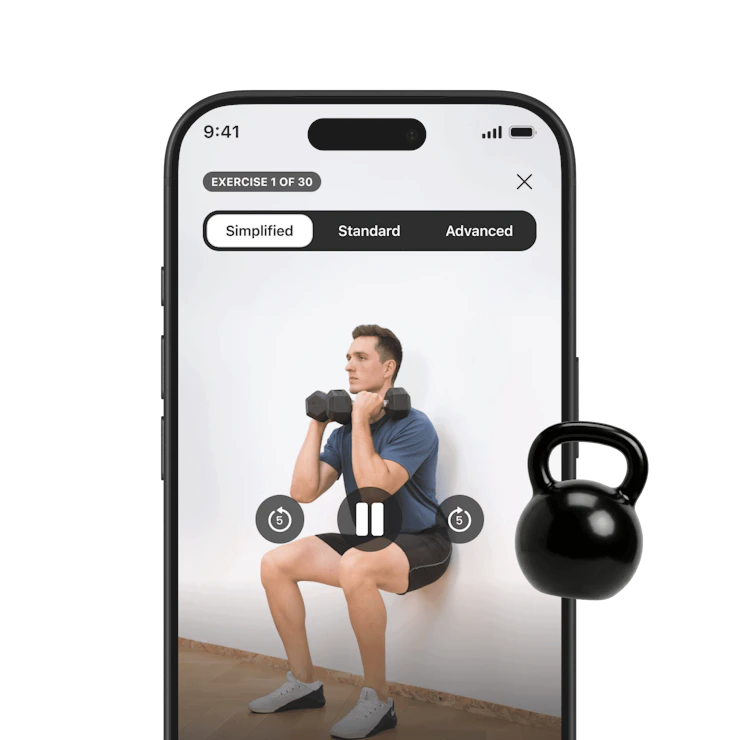
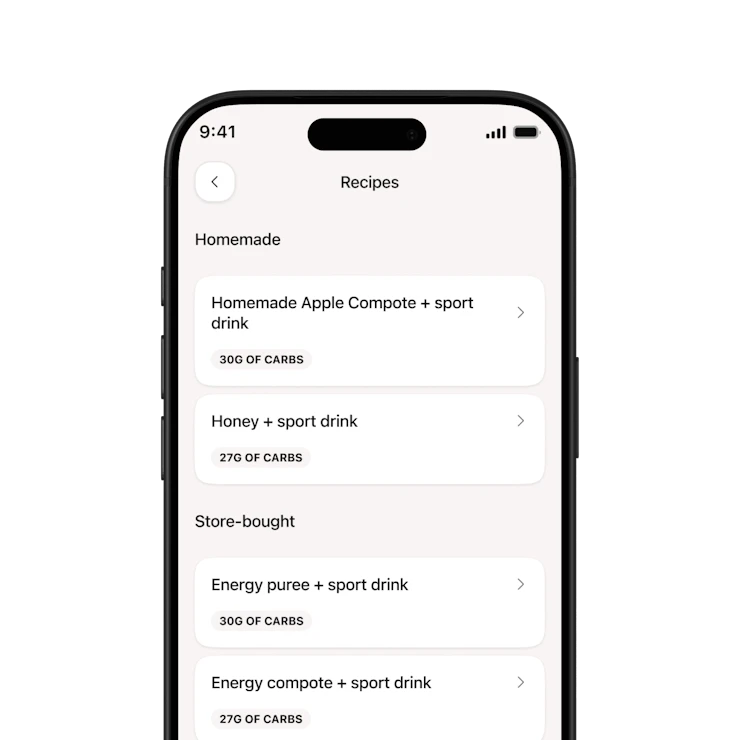
It’s about so much more than just running—we’re here for you even when your running shoes are in the closet.
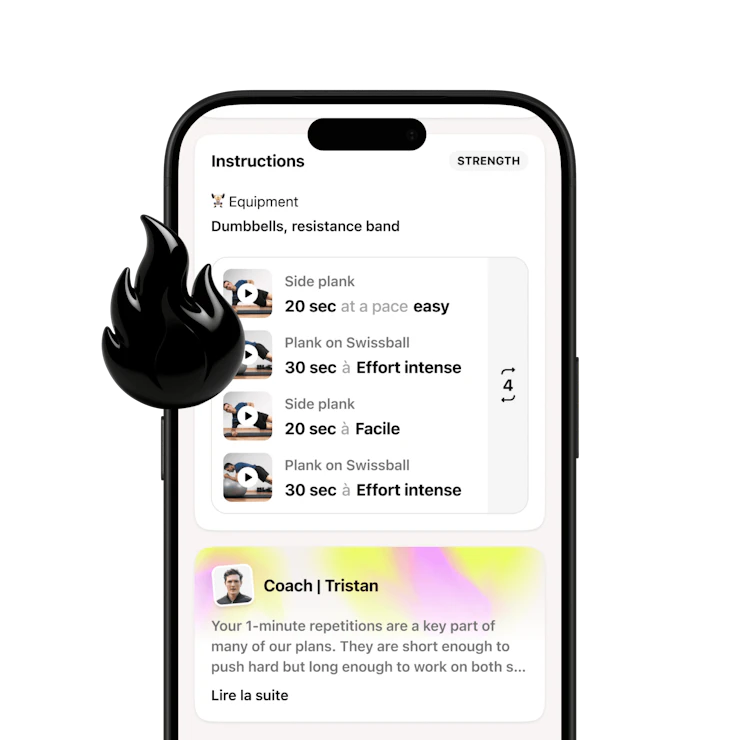
Injury prevention
It reduces your risk of injury by a factor of 3.7 compared to other methods. Your progress depends first and foremost on your ability to keep going.



Start your free trial

4.9
+3.4K reviews
4.8
+2.7K reviewsYou're making progress without mental strength
No hassle
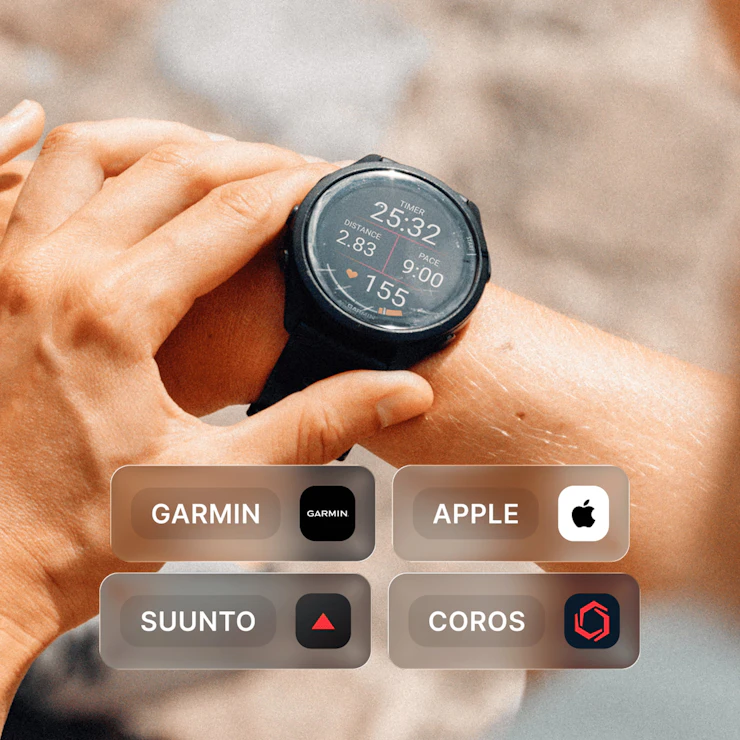
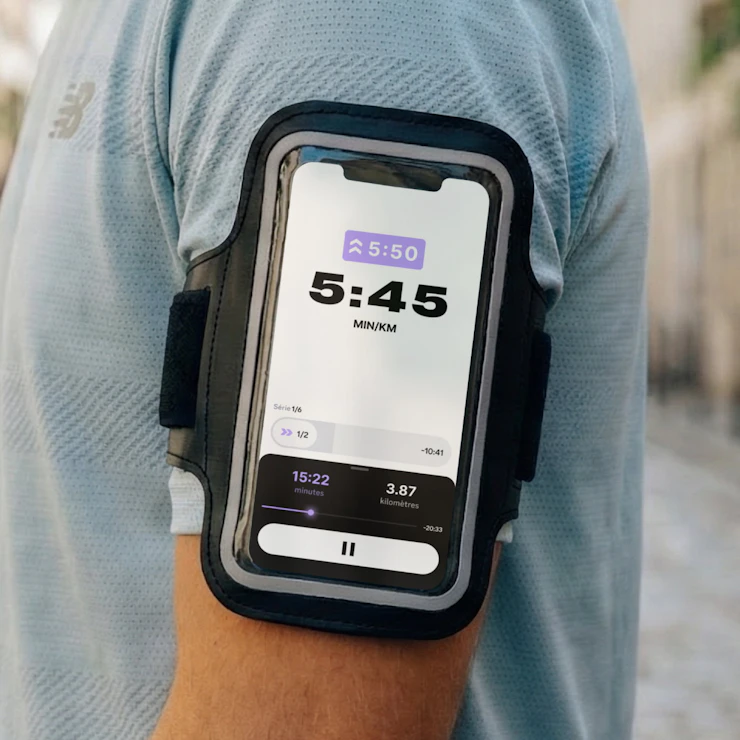
Your workouts are synced directly to your watch (Garmin, Coros, Suunto, Apple). Put on your shoes, press Start, and follow the beeps!

Frequently asked questions
What are the basics to know to start running?
What are the basics to know to start running?
To get started with running, you need running shoes that fit your feet and comfortable sportswear that doesn't cause discomfort or chafing. Then, you can follow our four key tips:
🔑 Take the time to analyze the reason or reasons that lead you to start running.
🔑 Set yourself a concrete, achievable goal: distance, running time, etc.
🔑 Don't confuse speed with haste: wanting to start too fast, too hard is every beginner runner's mistake.
🔑 Get support from competent coaches who will know how to guide you at your own pace toward achieving your goals.
What should a good beginner running plan include?
What should a good beginner running plan include?
To get started with running, you need a suitable plan made up of a few essential workouts:
easy runs at easy endurance form the basis of your plan. You should start by running (very) slowly for short durations, which will increase over the weeks.
interval training comes into play to keep your progress going once you are able to run long enough on easy runs. You'll alternate between intensity blocks and recovery blocks over several repetitions. The field of possibilities is endless. Workouts are adapted to your goal and your level.
long runs are simply longer easy runs than the ones you do for the rest of the week.
strength & conditioning (or S&C), often the big missing piece in running training plans. Yet it is essential and should have a place of pride in your plan. Luckily, at Campus, there is a workout dedicated to it.
rest! Training is good. Recovering is sometimes better. It is the essential condition for properly absorbing your workouts. The advantage of a well-built beginner running plan (like Campus's) is that it calibrates your training load so that you don't do more than necessary.
How do you choose your running training plan?
How do you choose your running training plan?
A good running plan is above all a plan that you will be able to follow from start to finish. It should allow you to progress and achieve your goals while adapting to your daily life and your level. It's a real balancing act that only experienced coaches, like those at Campus, can carry out successfully.
Moreover, your training plan must be educational. To do things properly, you need to understand why you are doing them. By mastering the key concepts that structure your running training, you take an active part in your progress. This allows you to optimize it and make it sustainable.
Why choose a Campus training plan (and not a generic plan or ChatGPT)?
Why choose a Campus training plan (and not a generic plan or ChatGPT)?
ChatGPT and other AI tools offer training plans based on your own prompts, with the pitfalls that can entail. They build them by drawing on several different approaches without trying to create consistency, which can notably lead to major training load quantification problems. It is also clear that plans designed by artificial intelligences often suggest a very (too) high mileage without progression. What's more, when faced with your doubts and feelings, your plan will adapt (or the AI will encourage you to keep going) without any perspective, simply to satisfy you. This can lead you straight into a wall if you don't already have a good running base.
By contrast, Campus coaches are there to adapt your plan based on your feedback. They take into account how you feel and concrete data such as whether or not your workouts were successful. To do this, they benefit from feedback from thousands of runners, which has enabled them to gather all the data and knowledge needed. In short, they can adapt the individual training load and offer you a plan that is truly made for you.
Trail, marathon, half marathon: what training plans can you find at Campus?
Trail, marathon, half marathon: what training plans can you find at Campus?
At Campus, we offer a very varied range of running training plans. You can find the following plans:
Marathon training plan
Half-marathon training plan
10K training plan
5K training plan
Trail training plana0(for the distance and elevation gain of your choice)
In addition to these, you can get a plan specially designed for beginner runners as well as another dedicated to runners returning after injury. Finally, whatever your current situation and future goals, at Campus you're sure to find the option that's right for you.
Can you benefit from a progress chart to measure our running progress?
Can you benefit from a progress chart to measure our running progress?
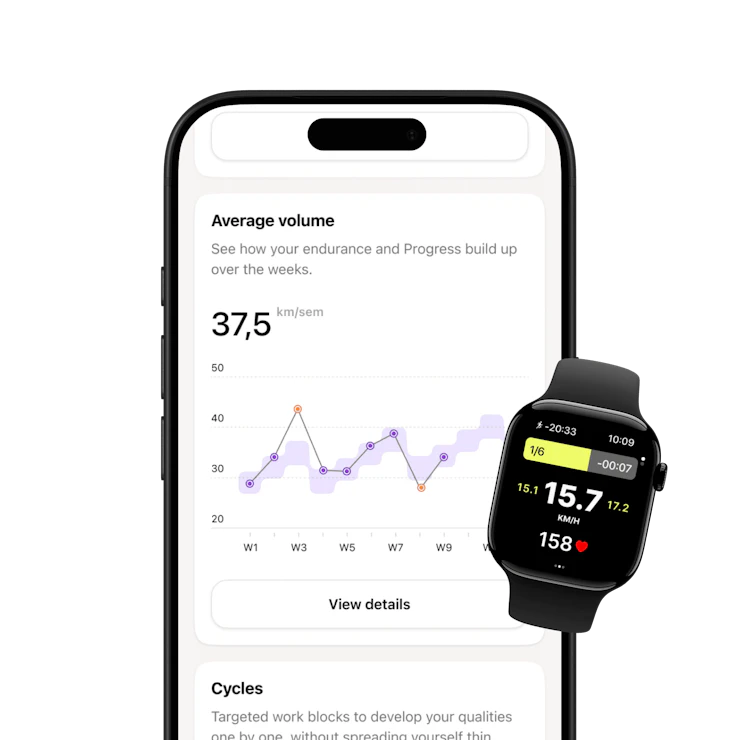
Feeling your progress is good. Quantifying them concretely is even better. With Campus, you get a complete logbook throughout your training. Weekly mileage, duration and elevation gain, workout completion, current and estimated progress to the final goala6 it's all there! That way, you can track your progress, make sure you are following the coach's plan, and have a clear view of what lies ahead over the weeks.
How many times a week should you run to make progress?
How many times a week should you run to make progress?
Progress is built over time. Keeping this in mind, we have built long running plans that allow for a progressive quantification of training load. It is this gradual progression that will make you improve, more than focusing on a predefined weekly frequency.
Training plans Then, you can continue increasing according to your goals. But it's hard to determine a general truth that applies to everyone.
In fact, the universal answer would be: the weekly frequency you can handle while recovering properly and without getting injured.
How long does it take to prepare for a marathon with Campus?
How long does it take to prepare for a marathon with Campus?
At Campus, we believe that success in a marathon requires solid running foundations, the result of long, regular and progressive preparation. In practical terms, we recommend a (big) minimum of 12 weeks, even if that seems quite short to us. In our opinion, 16, 18 or even 24 weeks are more appropriate marathon preparation durations, especially if it's your first time at the distance.
In practice, we can offer you marathon training plans of less than 12 weeks. But honestly, we do not recommend it and it does not fit with our vision.