A training that listens to you
We tailor it to your current level, your background, and your goals. We don't try to make you fit into a mold; we start with who you are.
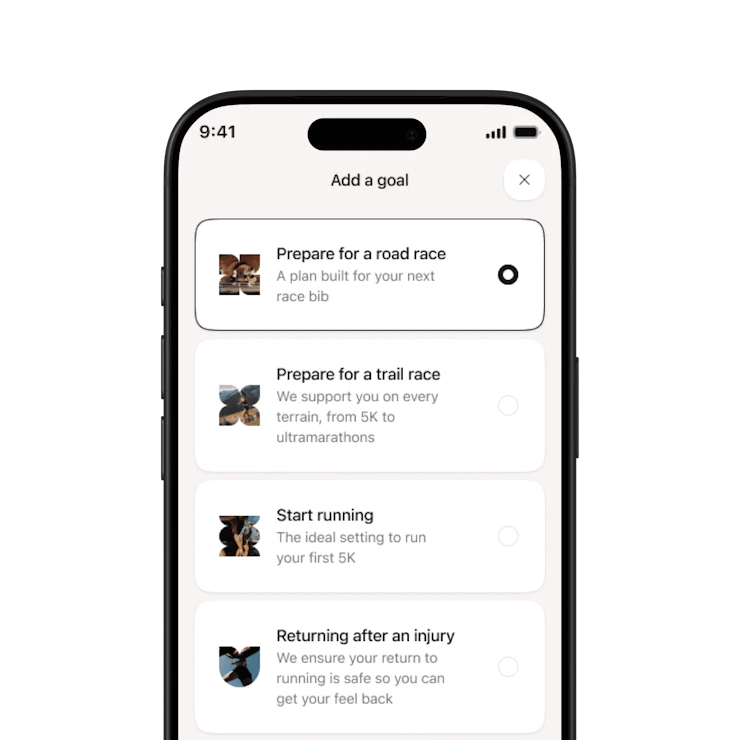
Programmes / Injury recovery
After an injury, returning to running must be thoughtful and gradual. You need a good training plan to avoid any relapse and rebuild confidence. Good news: Campus is here!



The Campus Method draws on the experience of 600,000 runners and the analysis of 60 million kilometres run to provide effective, precise training plans tailored to each individual’s goals.

Returning to running after an injury is a real headache. You need a tailored return-to-training plan to avoid any relapse and rebuild confidence.
At Campus, we ask you around ten questions to define your runner profile and finely personalize your training plan.
Good physical condition or starting from scratch?
Lingering weaknesses despite healing or full recovery?
Back to enjoying it or preparing for a race with a performance goal in mind?
Whatever your situation, Campus supports you for a successful return to running after injury!
« If the path seems too long, divide it into several steps and take them, one after the other. » - Niko aka Running Addict
A methodology developed by expert coaches over the past five years. It's precise, intelligently tailored, and truly effective.
We tailor it to your current level, your background, and your goals. We don't try to make you fit into a mold; we start with who you are.
The workouts are tailored to your current fitness level. Something unexpected? The plan is recalculated so you can move forward without feeling guilty.
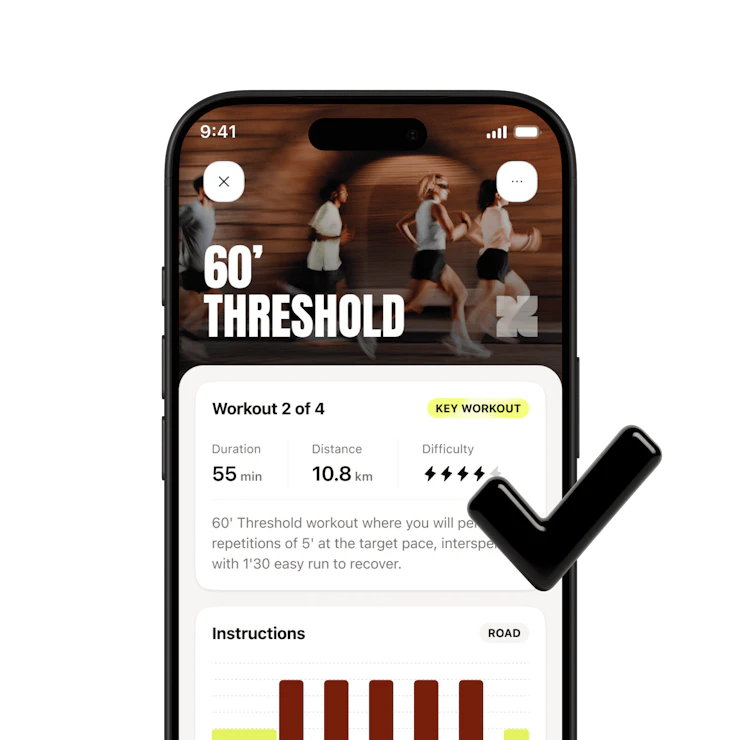

600,000 runners are already using Campus. A proven method, built on the analysis of 60 million kilometers of running, to help you progress.

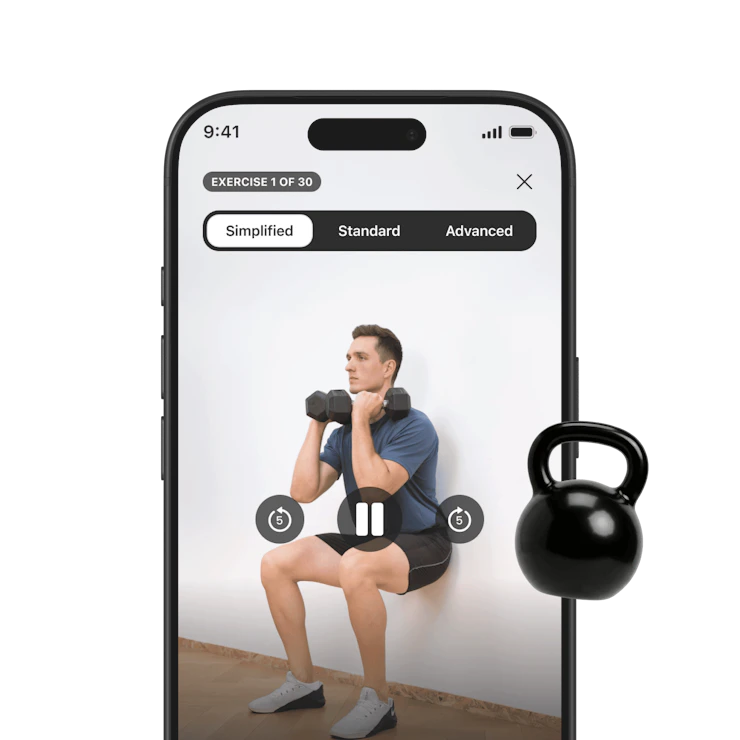
Campus offers you four types of workouts to get back to running with peace of mind after an injury: easy endurance to rebuild your base, intervals to regain your speed, long runs, and strength & conditioning to rebuild good musculature, optimize your progress, and avoid relapses. Each workout helps you get back to running gradually and with enjoyment.

Base endurance workouts for returning from injury are carried out at a very slow pace. They enable you to gradually increase your training volume without causing fatigue, whilst promoting physiological adaptation, a sense of ease, and a safe return to running.

Interval workouts for returning from injury are carried out at fairly high intensities. They stimulate key physiological adaptations, such as improved maximum oxygen uptake and running economy, whilst remaining sporadic to allow the body to recover. They take place after a period of rehabilitation to prevent any relapse and help you move forward with confidence.

Long runs when returning to running after an injury should be done at a low intensity. The second part of the workout is particularly important, as it teaches the body to maintain its effort despite fatigue, by optimising the conservation of energy reserves, running technique and mental resilience. No need to run for hours on end: the duration adapts to your progress over the weeks.

Strength & conditioning is a set of weight-bearing exercises designed to help you improve your running, reduce the risk of injury and look after your health. At Campus, we tailor the exercises to suit your profile and goals.
It’s about so much more than just running—we’re here for you even when your running shoes are in the closet.
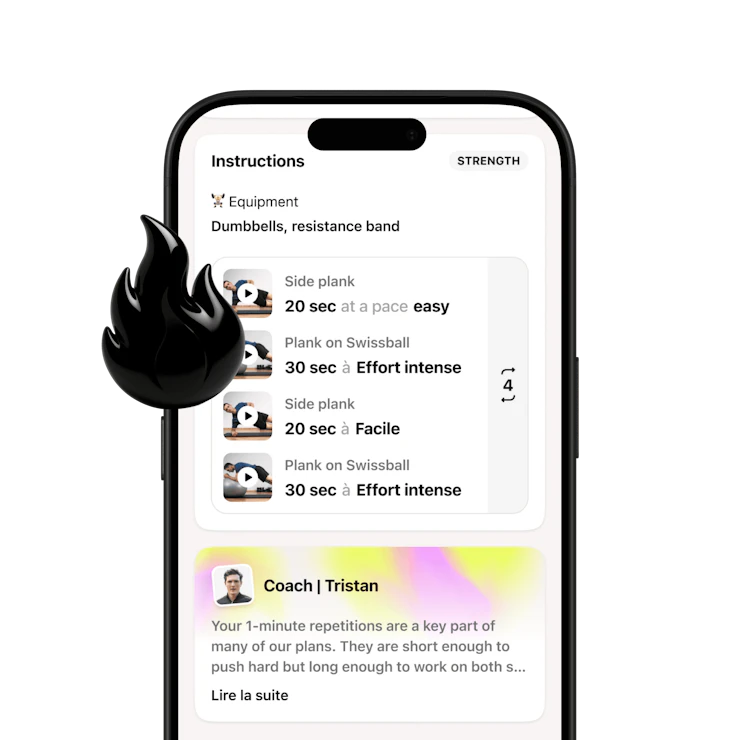
Campus reduces your risk of injury by a factor of 3.7 compared to other methods. Your progress depends first and foremost on your ability to be consistent.
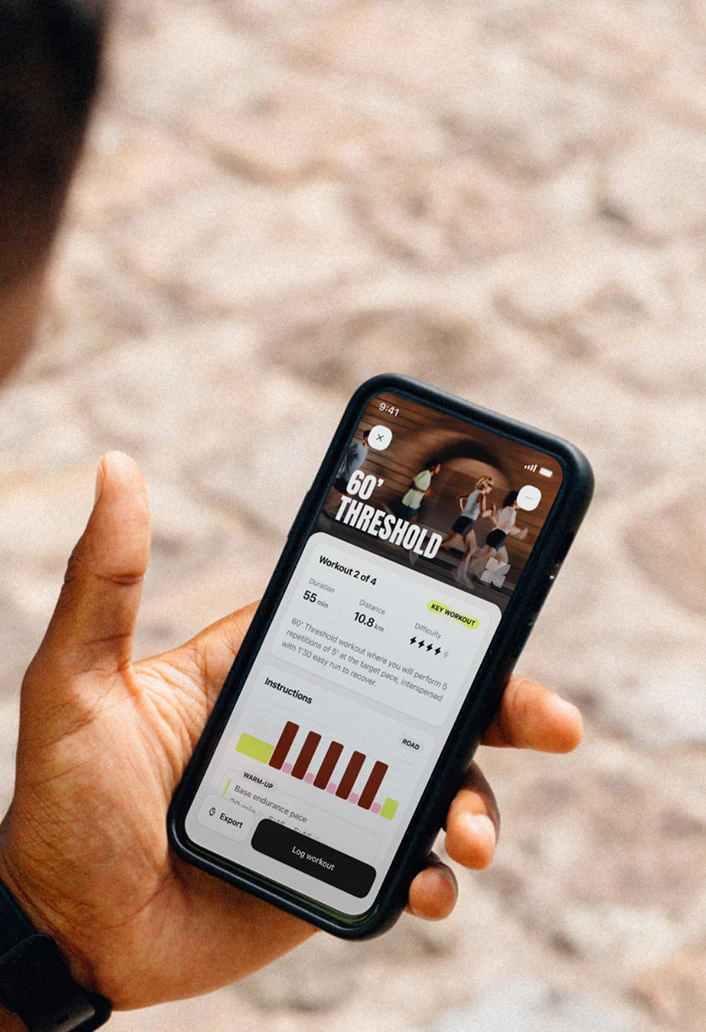


600,000 runners have already improved their performance using the Campus method. A proven training philosophy, refined through the analysis of 60 million kilometres of running.
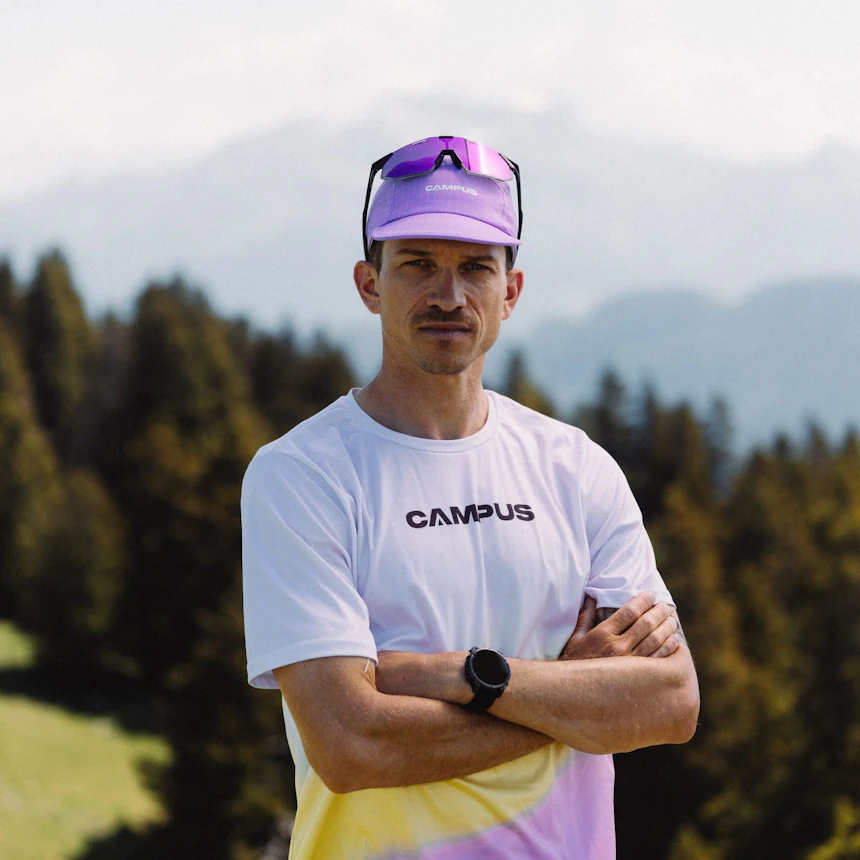

Winner of the Yukon Arctic Ultra in 2025, 2nd at the Hardrock 100 in 2025, winner of La Diagonale des Fous in 2024, winner of the MaXi-Race in 2024, 2nd at the UTMB Mont Blanc in 2022.
"In my opinion, everyone, at their own level, should allow themselves adventures."
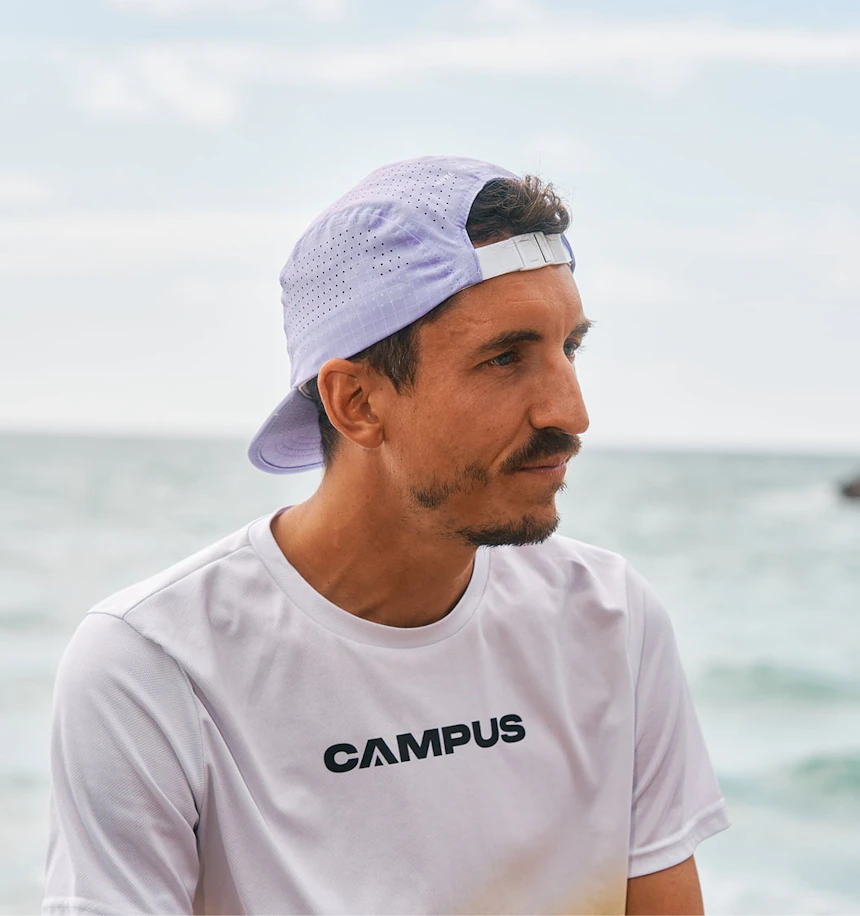

2h33 at the Valencia Marathon 2023, qualified for the Ironman 70.3 World Championship 2019, MaXi-Race 60 km finisher
"When you run, you prove to yourself that with willpower and perseverance, you can move mountains."
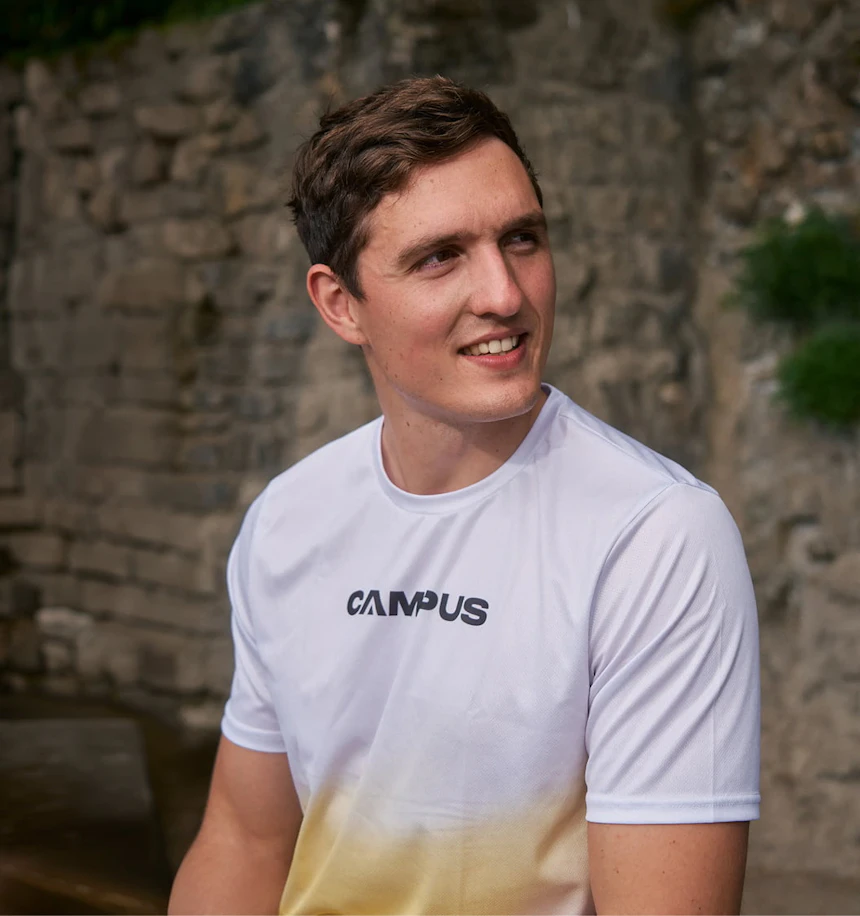

Qualification for Ironman Worlds 2023, finisher of the 7 Majors, finisher of the Norseman (black tee-shirt).
"A feeling of freedom acquired through the discipline of regular training. Quite a paradox (or maybe not so much)."
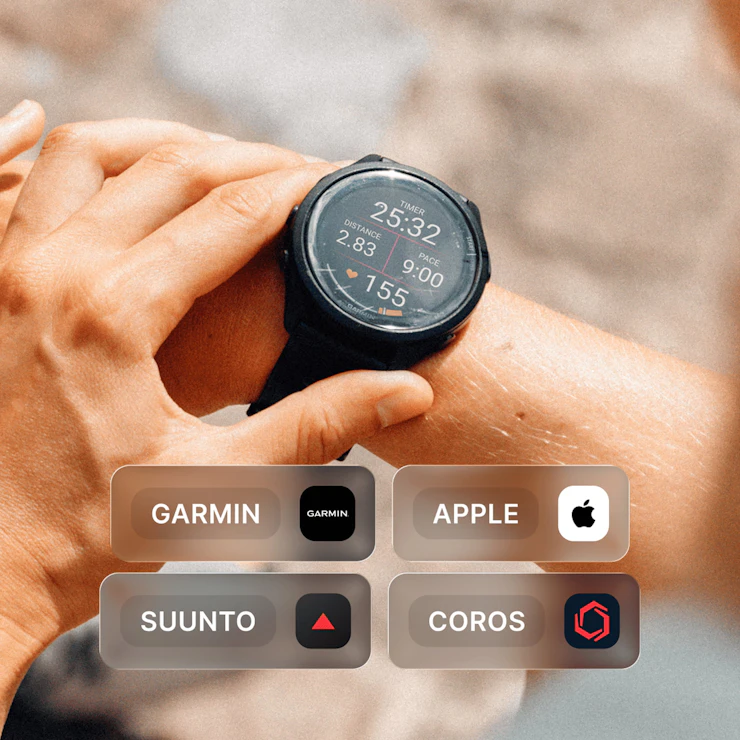
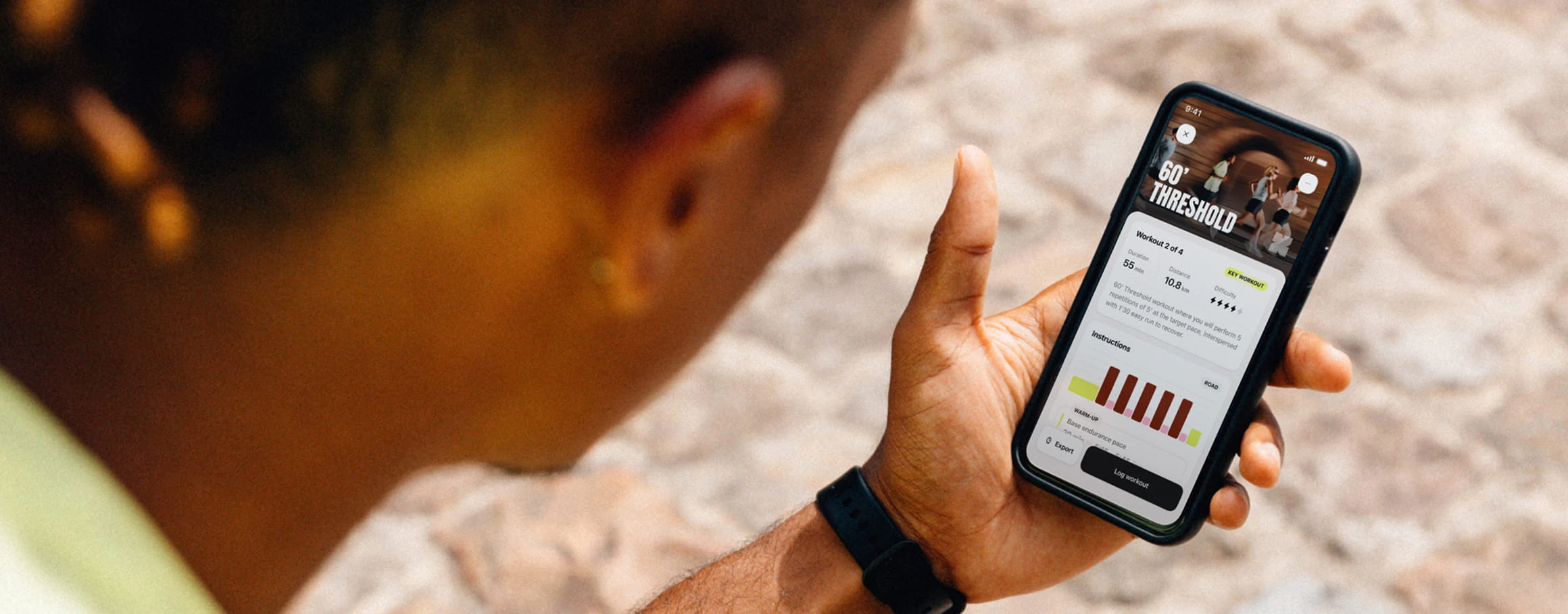
Your workouts are synced directly to your watch (Garmin, Coros, Suunto, Apple). Put on your shoes, press Start, and follow the beeps!
Ludivine
Very well made, this application allows you to prepare any running or trail goal... It is easy to use, you can track your progress, coaches are always at your disposal if you have questions or doubts... I have already prepared for a marathon with Campus... They helped me reach my goal without difficulty and I am starting over right now. I recommend this running and trail application!
Erwan
Fifty years old, hasn't run for 25 years, out of shape... After completing the free 5K plan, I have been following the paid 10K plan for 1 month, and I can now run for 1 hour. Far beyond my hopes... Good plan, cozy environment for beginners, but apparently suitable for addicts too.
Marion
Exactly the platform I needed to start running! The plans are top-notch, progressive, and tailored to your level and according to your goal. Campus coach is not just a site offering training plans; it's a community and a constantly evolving treasure trove of information!
✅ Yes, with the Campus app, no need for a GPS watch to track your running workout.
The running activity tracker allows you to:
Track the distance covered in real-time
Know your instantaneous pace
Receive vocal or vibration alerts with each pace or phase change
Precisely visualize your effort and recovery intervals
Track specific indicators such as terrain type or pace variations (e.g., trail)
📱 All you need is your smartphone in your pocket to benefit from complete and precise tracking, without a GPS watch.
In this plan, we don't talk about speed, MAS, or endurance. There is no pace or distance goal, and we start with walk/run shifts to limit training load and prevent the injury from flaring up. In addition to running workouts, Campus offers you the option to integrate strength & conditioning directly into your training plan to optimize your training and support proper re-athleticization.
Yes! After these 4 weeks, you'll be able to start preparing for a distance, or move on to plans that develop one of your qualities (speed, endurance, MAS, etc.).
On Campus, you choose!
👉🏻 We guide you with the best recommendation to progress, but the freedom is in your hands.
👉🏻 Your training plan is flexible, realistic, and effective, so you can train consistently and enjoyably over the long term.
It depends on the injury and how long you've had it. Your recovery also comes into play because we're all different. In any case, returning after an injury is always fairly long and must absolutely be gradual. To avoid mistakes, we recommend choosing a Campus training plan designed specifically to support you during this delicate period.
Yes, for any joint injury, stress fracture (a tiny bone crack caused by repeated impacts), or persistent pain, the doctor remains the first point of contact. After that, and based on their recommendations, a physiotherapist can establish a protocol (a structured gradual return plan) adapted to your specific injury.
Yes, if your doctor allows it. It helps you maintain your cardio-respiratory fitness. These low-impact activities let you stay in shape without putting stress on the injured area. But keep in mind that too much is always the enemy of good. An injury requires rest and a maximum limitation of the stress placed on the body.